Skip to content

Speaker Structure Design

Speaker Structural Design

Speaker Introduction and Selection

  1. Refer to module boards or our amplifier circuits. Check ☞Speaker Compatibility List for compatible models.
  2. Select speakers based on output power requirements.
  3. For AEC (Acoustic Echo Cancellation), use speakers with sound chambers, THD of 150Hz-3000Hz, and <10% distortion at maximum volume.

Speaker Structure Design

  1. Position speaker outlets away from microphones, considering the microphone’s structural design.
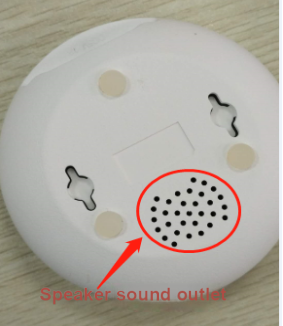
  2. Design sound outlets, preferably circular. Common shapes include circles, arcs, squares, and triangles.
  3. Recommended hole diameter: 1mm (range: 0.8-1.5mm; minimum: 0.5mm). Smaller holes may reduce sound quality and volume.

Speaker Sound Outlet

  1. The total area of sound holes should be 5%-15% of the speaker diaphragm’s vibrating area (10% recommended). This balances volume and sound quality. Larger holes may increase high-frequency noise, while smaller ones may reduce volume.
Speaker Installation Requirements

  1. Secure the speaker firmly to prevent movement, which could affect sound quality.
  2. Position the speaker correctly in its slot, ensuring alignment with the sound outlet.